












Custom material handling equipment is a long term investment. Equipment built around your load can stay in service for decades, and the decisions made before the first drawing is approved shape how well it performs for that entire time.
The smoothest custom projects start with complete information. Details like a load’s center of gravity, the width of a floor joint or the exact clearance of a doorway can seem minor at first, but each one shapes the design. When they are known from the start, engineers can design around them. When they surface during installation, they cost time and money.
The questions below are the ones our engineers work through on every custom product. Answering them before you request a quote gets you a more accurate proposal, a shorter design cycle and equipment that fits your process the day it arrives.
Questions About Your Load
What is the heaviest load the equipment will ever carry?
Give the maximum weight, not the typical one, how the load gets on the equipment and include everything that rides along with the part: fixtures, pallets, tooling and carts. Then think ahead. If a larger product is coming in the next five years, it is far cheaper to size the equipment for it now than to replace the equipment later.
Where is the center of gravity?
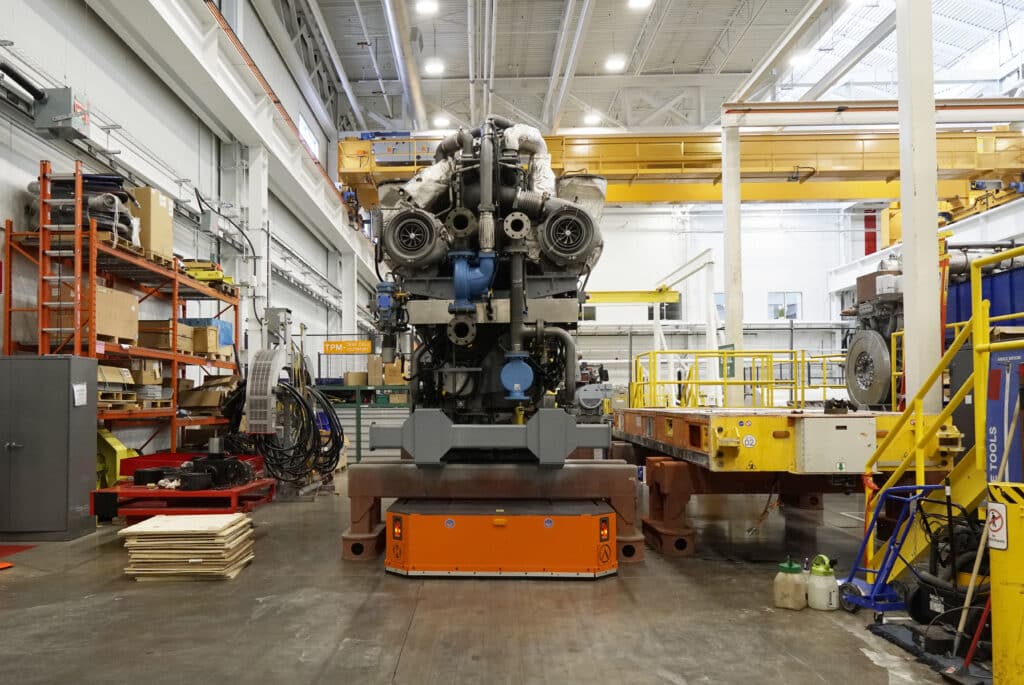
Two loads with the same weight can behave very differently. An engine, or a stamping die, which shifts how much force lands on each wheel. Knowing the center of gravity lets engineers size the drive system correctly and keep the unit stable when it starts, stops and turns.
What are the load’s dimensions, and how is it supported?
Share the length, width and height, along with how the load sits today. A load on a flat pallet, a load on a fixture with legs and a load that can only be picked from two points each call for a different deck design. Prints of the load in its current setup answer a lot of these questions.
Does the load have any special handling needs?
Some loads cannot tolerate vibration, tilting or contact with certain materials. Precision machined parts, finished surfaces and sensitive assemblies may need cushioned contact points, slower acceleration or tighter leveling. Telling us at the beginning makes the limits part of the design rather than an afterthought.
If a larger product is coming in the next five years, size the equipment for it now. It costs far less than replacing the equipment later.
Questions About Your Facility
What condition is your floor in?
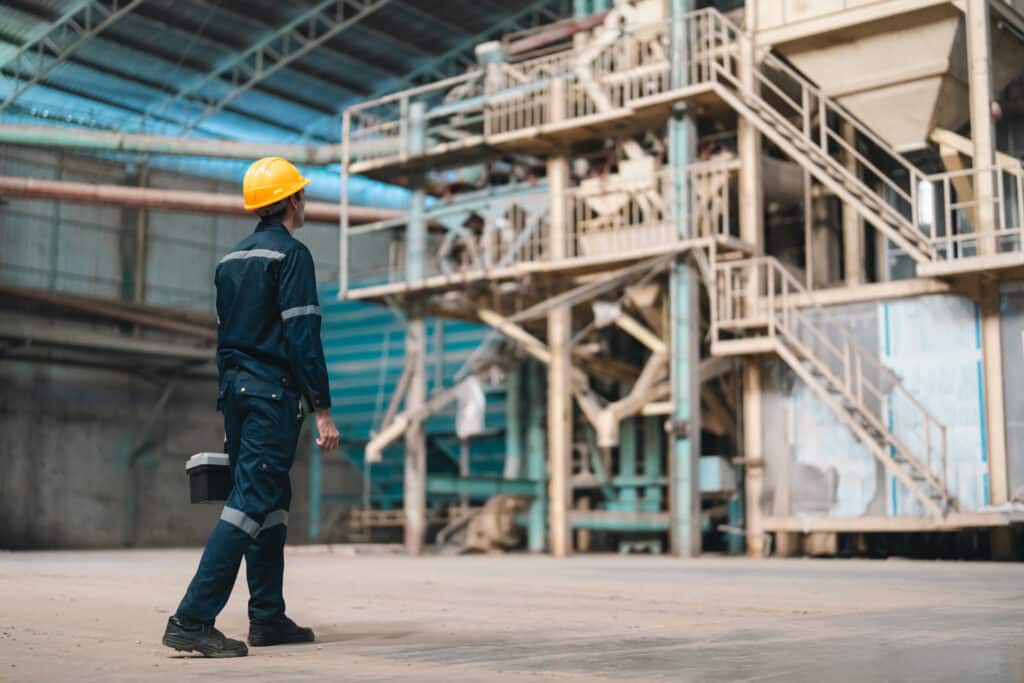
The floor carries every pound the equipment moves, so its condition matters as much as the load itself. Wheels concentrate weight into small contact patches, which means cracks, expansion joints, drains and embedded rails can stop a unit. We offer floor scanning services to determine your flooring condition.
What route will the load travel?
Walk the full path from pickup to drop off and measure every doorway, aisle, overhead clearance, and turn along the way. Note any slopes, ramps, or other features the equipment must cross. A current facility layout with the route marked on it is one of the most useful documents you can send early on in the project.
What will the operating environment be like?
Heat, cold, dust, moisture and washdown areas all affect component choices. Motors, seals and electronics are chosen for the conditions the equipment will face, so a unit that runs near a furnace, in a paint booth or outdoors needs different parts than one in a climate controlled assembly hall. Mention any area with special electrical classifications, since that changes the design significantly.
Questions About Your Process
How often will the equipment move a load?
A unit that makes two moves a week and one that runs 24/7 may need very different components. The cycle drives battery capacity, wear part selection and maintenance intervals. Estimate the number of moves per shift and the distance of each move so the equipment is built for how you will actually use it.
What has to happen at each stop?
Moving the load is often only half the job. The load may need to be lifted to a working height, rotated for access, tilted for welding or set onto a fixture within a tight tolerance. List every action at every stop, along with how precise each one needs to be, and we can build those functions into the solution.
Who will operate it?
Think about the people who will use the equipment every day. A walk behind unit with a pendant control, a ride on unit, and a wireless remote each suit different crews and different routes. Operator experience, shift coverage points toward the right control style.
How does it fit with the equipment you already own?
Your existing carts, fixtures, cranes and conveyors can dictate the interface points for anything new. Share the heights, widths and connection details of that equipment so the new unit lines up with it. Matching what you already have avoids costly rework to fixtures or stations later.
Questions About Power, Controls and Automation
What power source fits your plant?
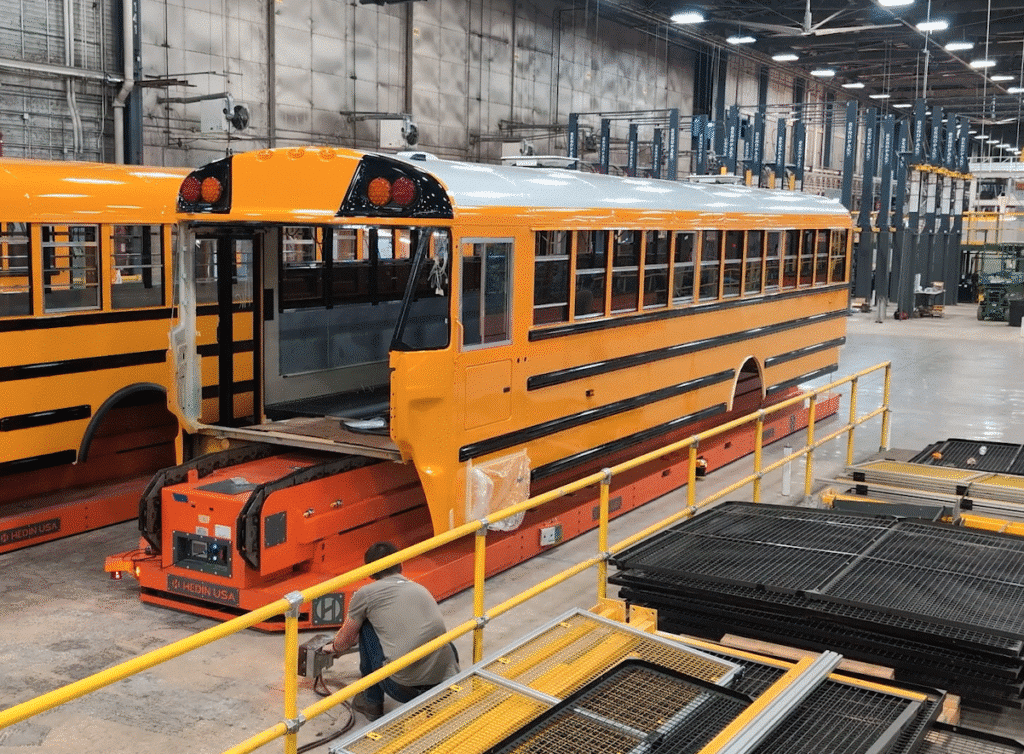
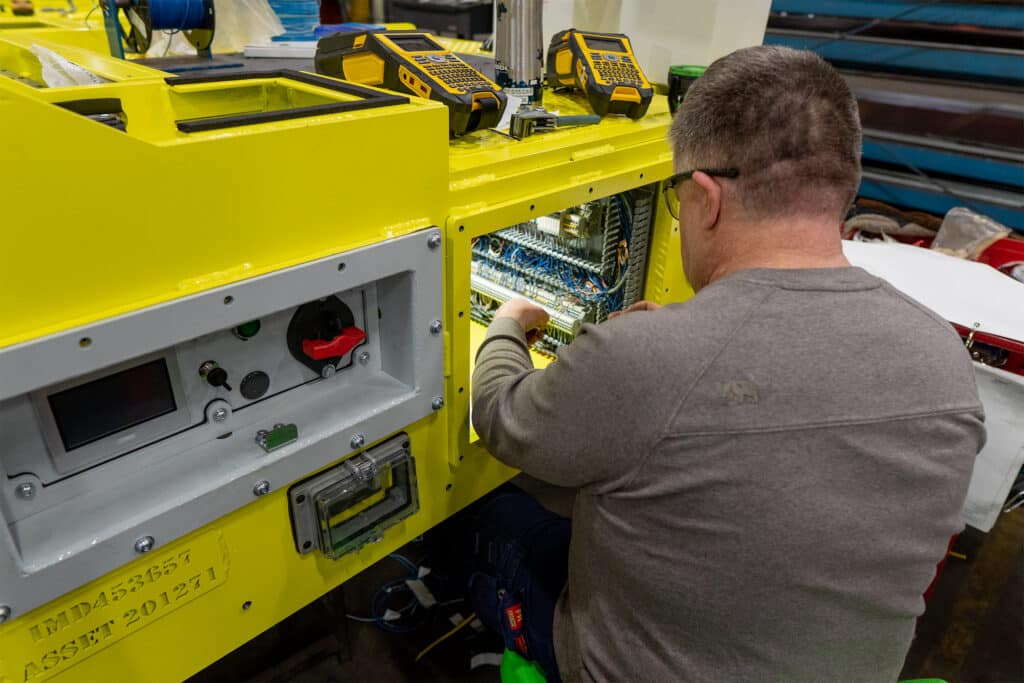
Most heavy load equipment runs on batteries or compressed. Battery units need a charging location and a plan for charge time. Confirm what you have available before ordering.
How should the equipment steer?
Steering determines how the unit handles tight spaces. A single drive unit steers much like a pallet jack, while a multi drive unit can move sideways, diagonally, or rotate in place. Routes with tight corners or loads that need precise placement usually call for multi drive steering.
Do you need automation now or later?
An automated guided vehicle can follow a set path with no operator. If automation is part of your long term plan but not this year’s budget, ask whether the equipment can be built so it can be automated later. Planning for it now costs less than retrofitting it later.
What safety features do your standards require?
Your safety team may have requirements for speed limits, warning lights, audible alarms, emergency stops and bumpers. Bring them into the conversation early. Safety features designed in from the start work better and cost less than ones added after the equipment is built.
Start With a Conversation
You do not need every answer before you reach out. Gather what you can, such as the load weight, a few photos, a facility layout and a description of the move, and leave the rest to the engineering conversation. Working through these questions together is how a custom project gets scoped correctly.
For over 50 years, Align Production Systems has designed and built equipment for loads that standard equipment cannot handle. Our engineers will ask the questions in this article and help you answer the ones you are unsure about. Contact our team to talk through your application and get a quote built around your load, your floor and your process.
Source: Align Production Systems


